Your lobby looks great.
The logo is perfectly placed. The reception area feels polished. The conference rooms reflect your brand.
But what about the elevator?
The hallway leading to your office?
The parking garage your customers walk through before they ever reach your front door?
For many businesses, branding begins and ends in the most obvious places.
Meanwhile, some of the most frequently used spaces in a building are barely getting a second thought.
And that’s a missed opportunity.
Because branded environments aren’t just about making the main entrance look impressive.
Your Brand Experience Starts Before the Front Door
Think about the last time you visited an unfamiliar office building.
You probably didn’t walk straight into the reception area.
You may have parked in a garage, searched for the correct entrance, followed directional signage, waited for an elevator, and navigated a hallway before arriving at your destination.
Every one of those moments contributed to your experience.
- Was it easy to find your way?
- Did the space feel welcoming?
- Was the signage clear?
- Did the building feel organized and intentional?
Or did you spend five minutes wondering whether you were even in the right place?
These details may seem small, but together they shape how people perceive a space.
That’s where commercial interior graphics, environmental graphics, and thoughtful wayfinding systems can make a meaningful difference.
1. Parking Garages: The First Impression Nobody Talks About
Parking garages aren’t usually the first place businesses think about branding.
They’re functional. They’re utilitarian. They’re often filled with concrete, columns, and directional arrows.
But for many visitors and employees, the parking garage is their first physical interaction with a property.
And first impressions don’t wait until someone reaches the lobby.
What could a better parking garage experience look like?
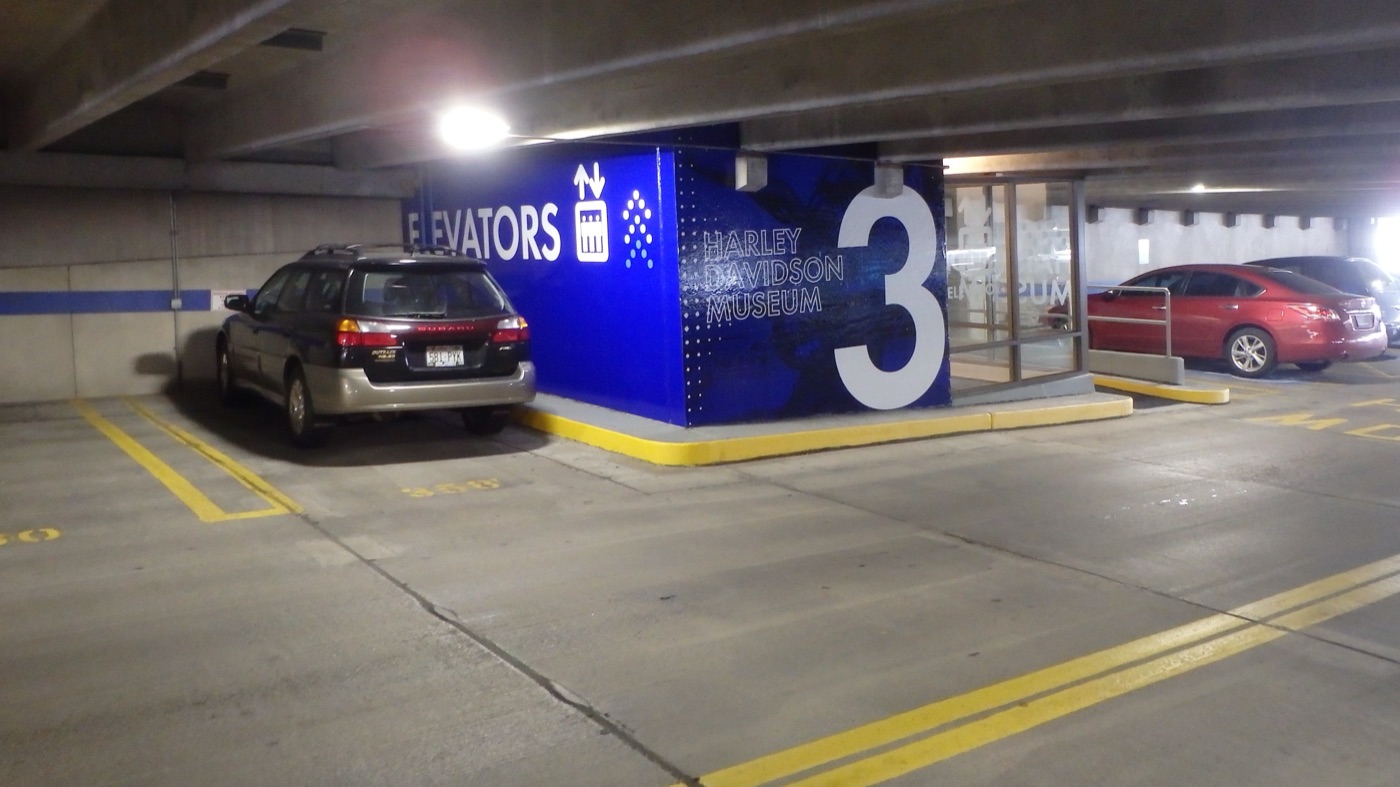
Imagine using large-format graphics, branded signage, color-coded zones, and clear directional messaging to make the space easier to navigate and more visually engaging.
Depending on the building, opportunities might include:
- Branded directional signage that guides visitors toward entrances and elevators
- Color-coded parking levels that make it easier to remember where you parked
- Large-scale graphics that reinforce a building’s identity
- Clear pedestrian wayfinding
- Wall and column graphics that improve visual organization
- Welcome messaging at key entry points
For commercial properties, corporate campuses, entertainment venues, healthcare facilities, and retail destinations, these applications can support both the visitor experience and the overall identity of the space.
Of course, parking garages also introduce unique material and installation considerations, including moisture, temperature changes, vehicle exposure, and surface conditions.
That’s why thoughtful planning matters just as much as creative design.
The goal isn’t to cover every concrete wall with a logo.
2. Hallways: More Than a Way to Get Somewhere Else
Hallways are some of the most overlooked spaces in commercial buildings.
We walk through them every day without giving them much thought.
But that doesn’t mean they can’t serve a bigger purpose.
In workplaces, hallways can become opportunities to reinforce company culture, celebrate employees, communicate milestones, or share the story behind the organization.
In healthcare facilities, thoughtful environmental graphics can help create a more welcoming atmosphere while supporting navigation.
In schools and corporate campuses, they can highlight achievements, history, values, or community connections.
And in retail or hospitality environments, hallway graphics can help carry a cohesive visual identity beyond the main public spaces.
The key is giving the space a purpose.
Not every hallway needs a floor-to-ceiling mural.
Sometimes a carefully placed graphic, dimensional element, or simple visual story makes a stronger impact than filling every available surface.
Good workplace branding isn’t about adding more graphics.
3. Elevators: A Small Space With Big Potential
Elevators are interesting because they create something most marketers are constantly trying to capture.
A moment of attention.
People are standing still.
They’re waiting.
They’re looking around.
And for a few seconds, they’re sharing a relatively small physical environment.
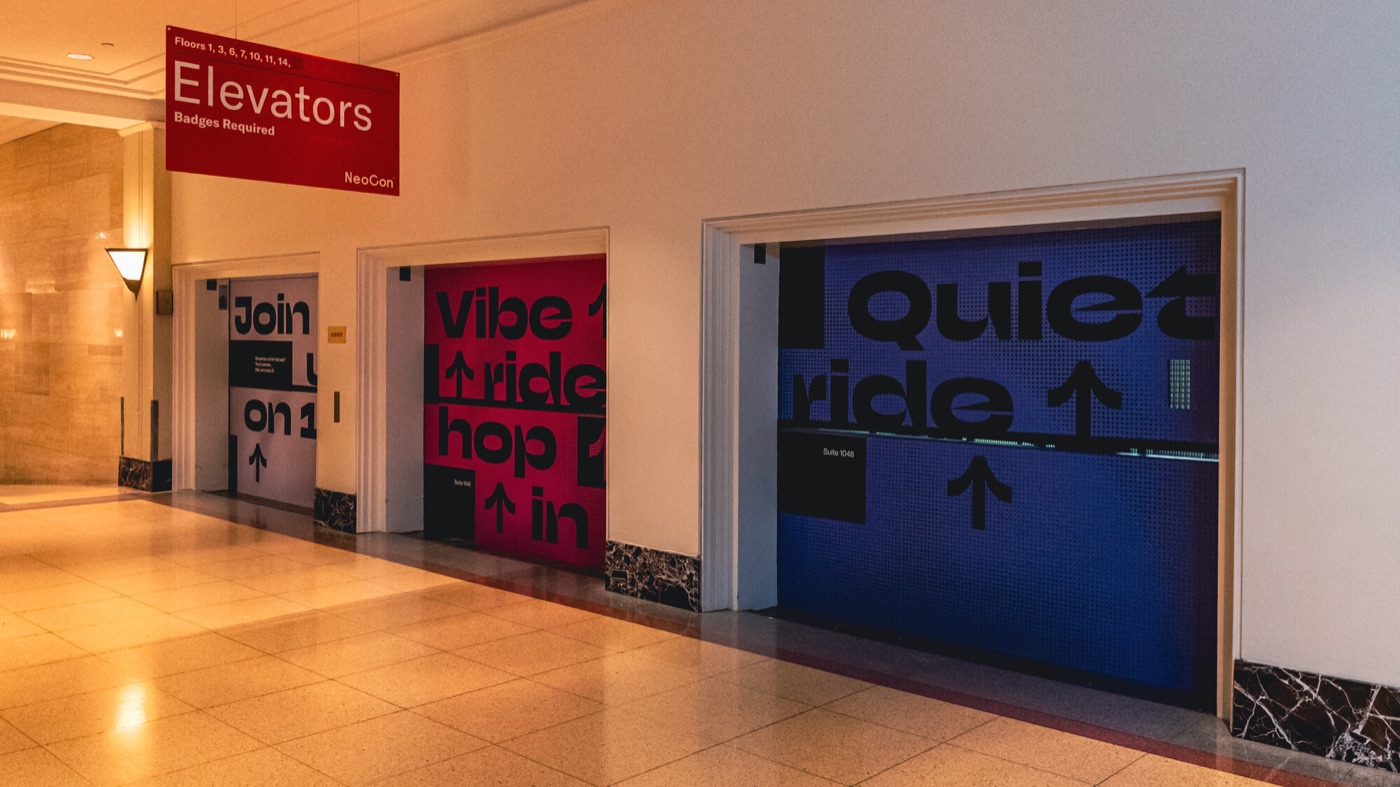
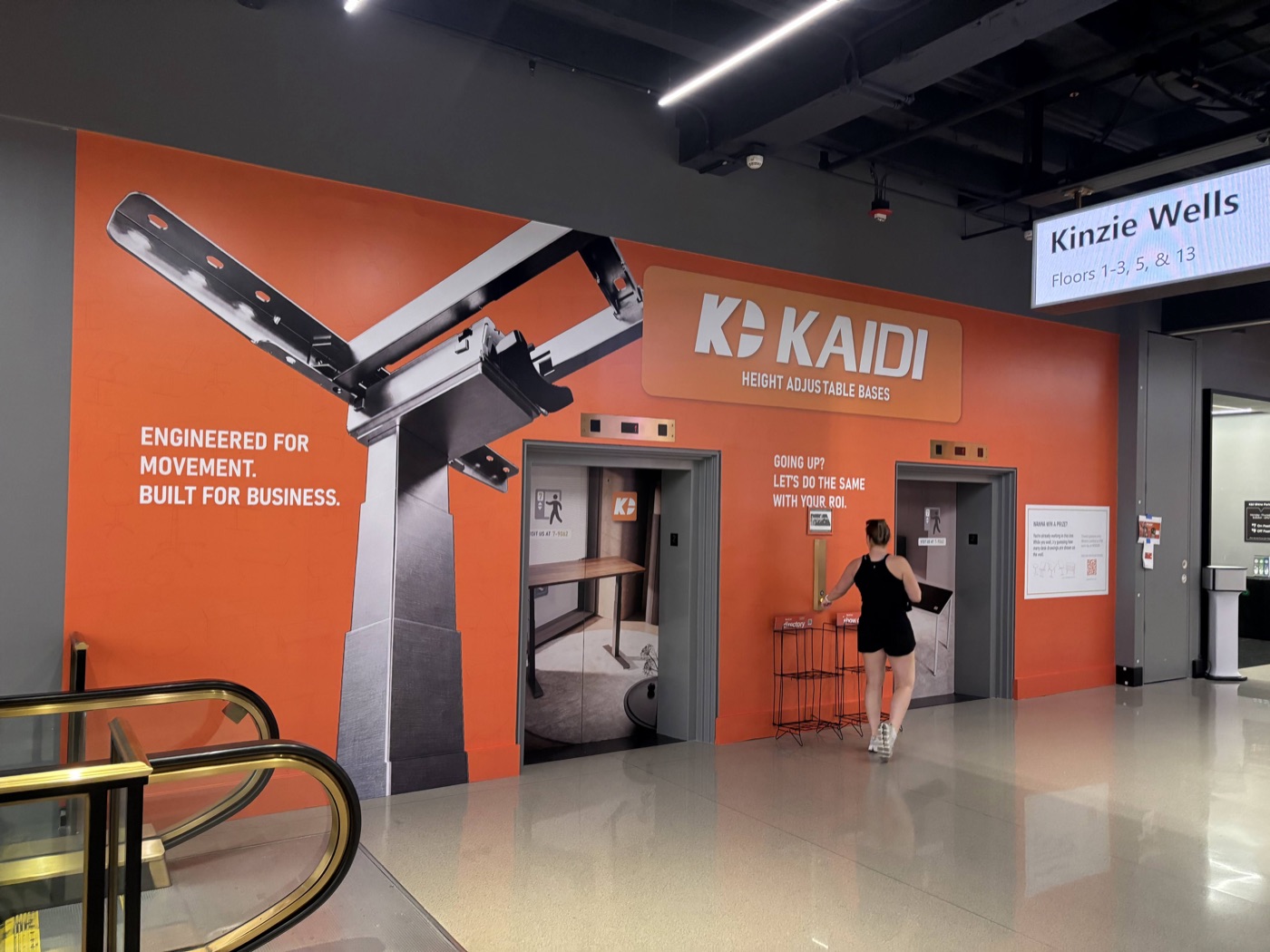
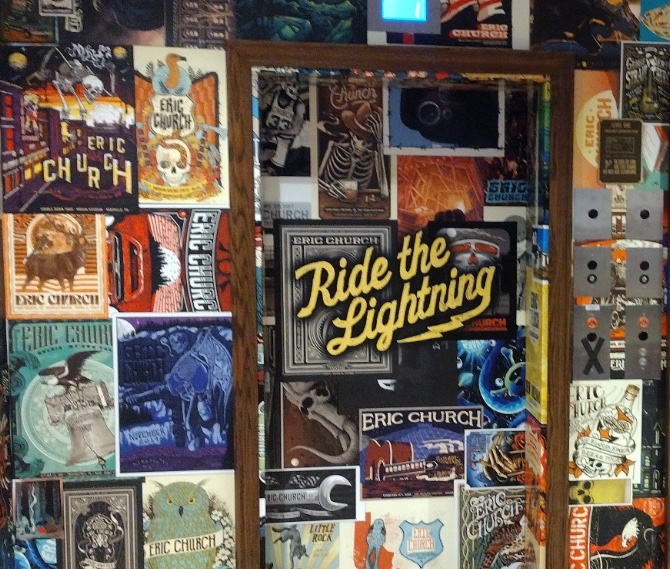
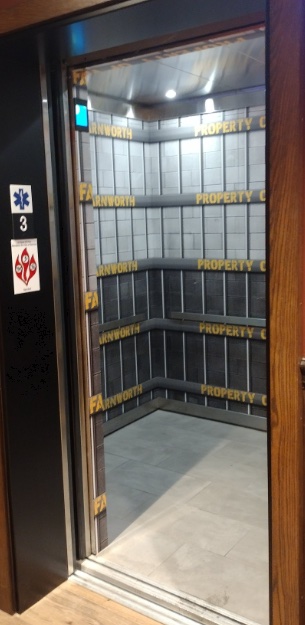
That makes elevators and elevator lobbies interesting opportunities for environmental graphics.
Depending on the building and application, graphics can be used to:
- Reinforce brand identity
- Highlight company values or messaging
- Introduce seasonal campaigns
- Share building information
- Create visual continuity between floors
- Enhance elevator lobbies with architectural finishes or branded elements
Elevator doors, surrounding walls, and lobby areas can all become part of a coordinated design approach where appropriate.
However, elevator applications require special consideration for movement, clearances, fire and building requirements, durability, and maintenance.
The creative opportunity is real, but so is the need for proper planning.
The best solution should look intentional without interfering with the function of the space.
4. The Spaces Between Destinations Matter
Here’s where the bigger conversation begins.
Businesses often think about branded environments as individual projects.
A lobby mural.
A reception sign.
A conference room wall.
A retail display.
But people don’t experience buildings as a collection of separate projects.
They experience a journey.
- From the parking garage to the elevator.
- From the elevator to the hallway.
- From the hallway to the reception area.
- From the reception area to the space they came to visit.
When those touchpoints feel disconnected, the overall experience can feel fragmented.
When they work together, the building begins to feel more cohesive.
That’s the real opportunity behind environmental graphic design.
5. You Don’t Have to Brand Every Square Foot
Let’s make one thing clear.
Not every blank wall needs a graphic.
In fact, some of the strongest branded environments use restraint.
The goal is to identify the spaces where graphics can provide the most value.
That might mean improving navigation in a confusing parking garage.
Turning a long hallway into a visual story.
Making an elevator lobby feel more connected to the surrounding architecture.
Or simply creating a consistent system of signage that helps people move through the building with confidence.
Before adding graphics, ask:
- Where do people enter and exit?
- Where do they spend time waiting?
- Where do they get confused?
- Which spaces feel disconnected from the rest of the building?
- Where could a graphic improve the experience rather than simply decorate the surface?
Those questions can reveal opportunities that aren’t immediately obvious.
And they can help businesses invest in graphics that serve a real purpose.
6. Materials and Installation Matter in Overlooked Spaces, Too
Just because a space isn’t the main lobby doesn’t mean production quality matters less.
In fact, some of these environments can be more demanding.
Parking garages may have concrete surfaces, moisture, temperature fluctuations, and exposure to vehicle traffic.
Hallways often experience frequent contact, cleaning, and daily wear.
Elevator areas can introduce unusual dimensions, tight installation conditions, and high-touch surfaces.
Choosing the right materials and installation approach is essential to creating graphics that are appropriate for the environment.
A beautiful concept only works if it can be produced and installed successfully.
That’s why working with an experienced wide-format printing and installation partner early in the process can make such a difference.
Think Beyond the Lobby
Your building is already communicating something to everyone who walks through it.
The question is whether those spaces are communicating what you want them to.
At ER2 Image Group, we help businesses look beyond traditional signage and explore how environmental graphics, commercial interior graphics, architectural films, custom signage, and professional installation can bring more intention to the spaces people experience every day.
From the first turn into the parking garage to the elevator ride upstairs, every touchpoint is an opportunity to create a more connected experience.
You don’t always need more space to make a bigger impression.
Ready to uncover the opportunities hiding in your building? Let’s bring those spaces to life.